Floor
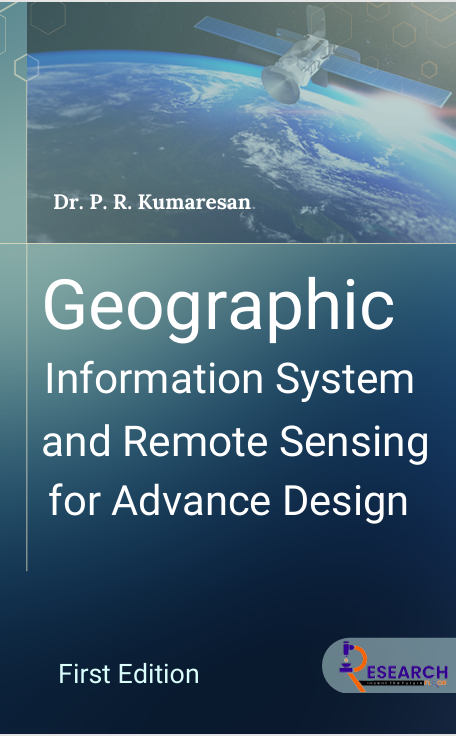
Geographic Information System and Remote Sensing for Advance Design
It is widely acknowledged that Geographic Information Systems (GIS) and Remote Sensing are vital instruments in a wide range of sectors, such as urban planning, environmental management, and disaster response. These technologies are utilized in the process of advanced design across a wide range of scientific fields. It is possible to use a geographic information system, often known as a GIS, as a foundation for the collecting, organization, and analysis of geographical and spatial data. Displaying, querying, analyzing, and interpreting data in order to gain a better knowledge of trends, patterns, and correlations is something that designers are able to do using the technology. A technique known as remote sensing, on the other hand, is a method that gathers information about the surface of the Earth without actually touching it. This is accomplished via the utilization of technologies that are based on satellites or airborne platforms. The production of complicated patterns is made possible by these technologies, which offer complete sets of tools that may be utilized. There is one domain in which Geographic Information Systems (GIS) have demonstrated their effectiveness, and that is urban planning. Geographic information systems (GIS) have the capability to include data from a wide range of sources, resulting in the creation of precise models and maps. These models and maps may then be utilized to design infrastructure in a more effective manner. The most recent images and information on a wide range of subjects, such as flora, geography, land use, and more, may be obtained through the use of remote sensing, which can help to complete the picture. When planners take into account all of these factors, they are able to maximize strategies for sustainable growth, make judgments that are well-informed, and distribute resources in the most efficient manner possible. Both geographic information systems (GIS) and remote sensing have a variety of applications within the realm of environmental management. The monitoring of deforestation, the analysis of changes in ecosystems, and the identification of the impacts of natural disasters are all examples of these applications. The use of geographic information systems (GIS) and remote sensing techniques is extremely beneficial in the field of disaster response, particularly when it comes to mapping danger zones, evaluating damage, and coordinating relief actions. As a result of these technologies, which provide data in real time as well as historical trends, the development of effective conservation programs and emergency response strategies is made easier

Publish Your Book With Us
Are you an academic author looking to publish your research as a book or manual? Research Floor offers a streamlined publishing process with global distribution, open-access options, and full editorial support.
Get In Touch →